DC Phone Repair
iPhone SE 3rd Gen Bent Phone Repair in Twining DC
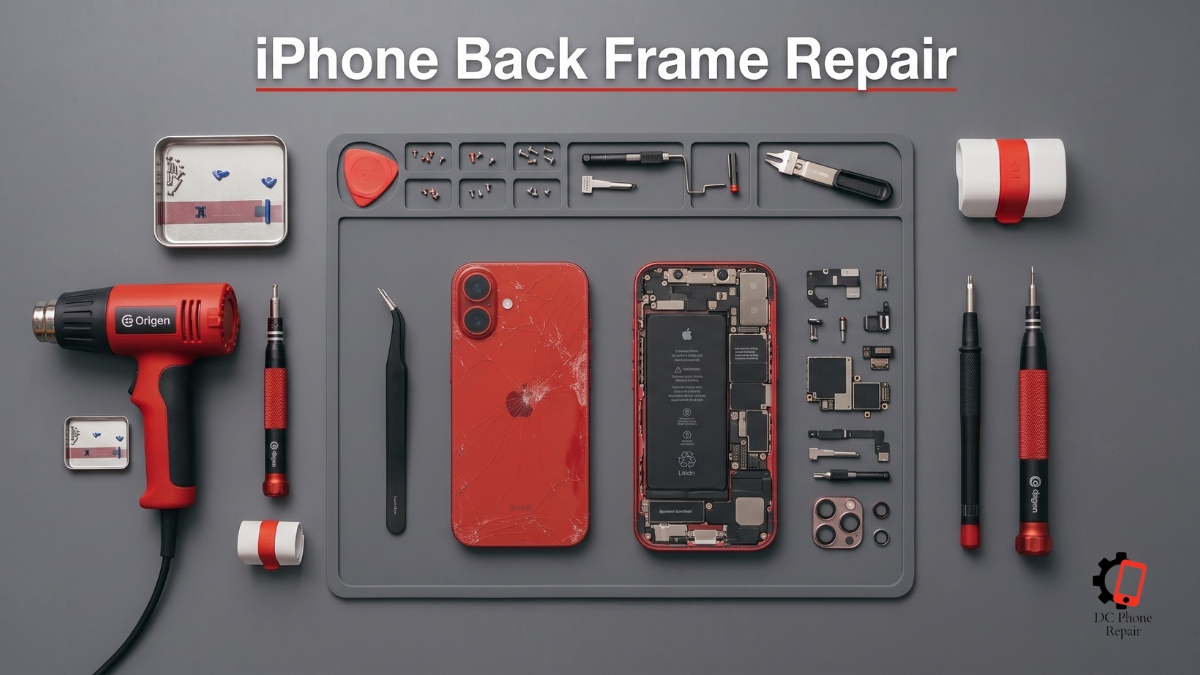
A damaged back panel or bent frame can look like a cosmetic problem at first, especially when the screen still lights up and the phone continues to receive calls. The trouble is that the outside structure does more than make the device look finished. It supports the display, protects the battery and internal components, keeps cameras and buttons aligned, and helps the phone close securely around its original openings and seals.
A small crack can spread across the rear surface. A missing piece can expose internal areas to dust and moisture. A bent edge can place uneven pressure on the display, battery, charging assembly, cameras, buttons, or internal cables. The phone may remain usable for days or weeks before another symptom appears, which is why structural damage is easy to postpone until it becomes more complicated.
iPhone SE 3rd Gen Bent Phone Repair is not always the same procedure from one device to another. Depending on the exact service named by iPhone SE 3rd Gen Bent Phone Repair, the repair may focus on damaged rear glass, the external back cover, the surrounding frame, the complete housing, or deformation caused by an impact. Some devices allow the damaged rear section to be serviced separately. Others require extensive disassembly and transfer of internal components into a replacement housing.
The visible damage also does not always show the full condition. A phone may have a shattered rear panel but a straight frame and fully functional internal parts. Another phone may show only a small dent while the frame is twisted enough to affect the display fit or battery area. An accurate diagnosis must determine whether the problem is limited to the outside surface or extends into the structure underneath it.
This page explains how DC Phone Repair approaches iPhone SE 3rd Gen Bent Phone Repair in Twining DC. It covers the purpose of the repair, common causes, symptoms of structural damage, the diagnostic process, repair and replacement methods, local service, booking, pricing, turnaround, parts, warranty coverage, data safety, and the differences between professional repair, manufacturer service, mail-in repair, and do-it-yourself attempts.
The goal is not simply to hide the crack or make the phone look cleaner. A proper repair should restore a secure exterior, correct alignment where practical, protect internal components, and confirm that the display, cameras, charging functions, buttons, wireless features, and other nearby systems still operate correctly.
What Is iPhone SE 3rd Gen Bent Phone Repair?
iPhone SE 3rd Gen Bent Phone Repair refers to diagnosing and correcting the back, cover, frame, housing, or structural problem described by the service name. The exact work depends on the device design and the damaged area. It may involve removing broken rear material, replacing a back panel, installing a complete housing, transferring internal parts, correcting minor alignment, replacing damaged brackets, or addressing related damage discovered during disassembly.
The back surface and the housing are related but not always identical. The visible back may be one layer attached to a stronger internal frame. On another device, the rear section may form part of the main housing assembly. This difference affects the repair method, the amount of disassembly required, and which internal parts must be removed or protected.
Rear glass commonly breaks after a drop onto a hard surface or direct impact near a corner. It can also crack when the phone is squeezed in a bag, pressed against a hard object, or exposed to repeated stress around an earlier chip. Once a crack begins, normal handling can make it spread. The damaged edge may become sharp, and small fragments can loosen over time.
Back-cover damage may include cracks, dents, separation, missing pieces, deep scratches, or deformation around cameras and openings. A damaged cover can allow debris to collect inside the phone or reduce the support around nearby components. If the cover no longer sits flat, adhesive and seals may also lose contact.
Frame and housing damage usually comes from stronger impact, crushing, twisting, or pressure. A phone carried in a back pocket can bend when the user sits down. A device caught in a car door, dropped from height, or squeezed beneath heavy equipment may develop deformation that is more serious than the visible damage suggests.
A bent phone does not need to have a dramatic curve. Even slight twisting can create uneven gaps around the display, back panel, buttons, charging opening, or camera area. The display may begin lifting from one side. Buttons may become stiff because the frame opening has shifted. A charging cable may stop seating correctly because the lower housing is no longer aligned.
Structural damage can also affect the battery. A deformed housing may press against the battery or leave less room for normal expansion during charging and use. A battery that has been crushed, punctured, bent, overheated, or visibly swollen should not be reused simply because the phone still powers on.
Wireless charging and antenna performance may also depend on the condition and alignment of the rear assembly. Coils, magnets, antennas, grounding contacts, and protective layers may sit close to the damaged area. A replacement must fit correctly and avoid interfering with these components.
Camera problems sometimes appear after rear impact. The camera cover may crack, the surrounding opening may deform, or the internal module may shift. A customer may request iPhone SE 3rd Gen Bent Phone Repair because the back is visibly broken, but the diagnostic may also reveal focus problems, image shaking, damaged flash operation, or contamination near the camera.
Previous repair history matters. A phone that has already been opened may have replacement adhesive, missing screws, altered seals, aftermarket parts, or internal components installed under pressure. A new rear or housing repair must account for that condition rather than assuming the device is still assembled exactly as it left the factory.
Not every mark requires structural replacement. Surface scratches that do not create sharp edges, openings, deformation, or functional problems may remain cosmetic. A protective case can reduce further wear, although it cannot restore a cracked or bent structure. The technician should distinguish between damage that affects appearance and damage that threatens fit, safety, or function.
DC Phone Repair's technicians in Twining DC inspect the rear surface, corners, frame, display fit, camera area, buttons, charging opening, and any visible gaps. The device may be placed on a flat surface to check for twisting or rocking. The technician also looks for screen separation, back-panel lift, battery pressure, and signs that the frame is no longer supporting the internal assembly correctly.
The device is then tested for related functions. Cameras, flash, wireless charging where supported, physical buttons, speakers, microphones, charging, vibration, and wireless connections may be checked depending on the damaged area. This testing helps determine whether iPhone SE 3rd Gen Bent Phone Repair is an isolated exterior repair or part of a wider impact-damage case.
The recommended service follows the diagnosis. A damaged outer back may be replaced without changing the entire frame on some devices. A bent or heavily damaged housing may require a more complete transfer. If the internal board, battery, cameras, display, or other components have also been damaged, the customer receives an explanation before those issues are added to the repair.
Signs Your Device Needs iPhone SE 3rd Gen Bent Phone Repair
Rear and housing damage can be obvious, but some structural problems appear through changes in fit and function rather than a dramatic crack. The following signs may indicate that the device needs iPhone SE 3rd Gen Bent Phone Repair:
- The rear glass or back cover is cracked, shattered, chipped, or missing material
- Sharp edges or loose fragments can be felt on the back of the phone
- The phone rocks when placed on a flat surface
- The frame appears curved, twisted, dented, or uneven
- The display is lifting or separating along one side
- The rear panel no longer sits flush with the frame
- A visible gap has opened between the display, frame, or back cover
- The camera opening looks dented, shifted, cracked, or misaligned
- Camera images became blurry, shaky, cloudy, or black after an impact
- Physical buttons became stiff, loose, recessed, or difficult to press
- The charging cable no longer fits normally after the phone was dropped or bent
- Wireless charging became unreliable after rear impact
- The phone becomes unusually warm near the damaged area
- The battery drains faster or behaves unpredictably after structural damage
- The device shuts down, restarts, or loses power when the frame is pressed
- Dust or moisture appears to have entered through a crack or missing piece
- The phone has a visible bend after being sat on or crushed
- The display shows pressure marks, lines, or touch problems after the frame was damaged
- The back cover moves or makes a clicking sound when pressed
- A case no longer fits correctly because the phone shape has changed
- The camera bump or surrounding area has separated from the housing
- The phone was repaired previously and the rear panel is lifting again
- The device developed rattling after an impact
- Internal components can be seen through a broken rear section
- The phone feels unstable or flexes more than it did before the damage
A cracked rear surface does not always mean that the frame is bent. The glass may absorb the impact while the underlying structure remains straight. That is still a repair concern because broken material can become sharp, continue spreading, or expose the internal area, but it may not require a complete housing replacement.
The reverse is also possible. A phone can have minimal visible cracking while the frame is twisted. The most useful clues are uneven gaps, screen lift, rocking on a flat surface, buttons that have changed feel, charging misalignment, and pressure-related failures. These symptoms suggest that the structure supporting the components may have shifted.
Customers should pay attention to changes that began immediately after the impact. If the display lifted, a camera stopped focusing, or a button became stiff at the same time the back was damaged, the problems may share one cause. Replacing only the visible rear material may leave the functional damage unresolved.
A lifted back or screen can also be caused by a swollen battery rather than impact. Battery swelling creates internal pressure that pushes the device apart. Pressing the panel back into place or applying stronger adhesive is not a safe repair. The battery and internal structure need to be inspected first.
Heat is another warning sign. A phone that becomes hot near the battery or damaged housing may have internal electrical or battery damage. Continued charging and use should be limited until the device has been inspected. Structural damage combined with heat, swelling, odor, smoke, or rapid battery drain requires prompt attention.
Water resistance should not be assumed after rear or housing damage. A small crack, frame gap, loose panel, or previous repair can compromise the original seal. The phone may continue working in dry conditions but become vulnerable during rain, spills, or high humidity.
DC Phone Repair's technicians in Twining DC assess the entire structure before recommending iPhone SE 3rd Gen Bent Phone Repair. The technician checks whether the damage is cosmetic, whether the frame remains straight, whether the battery area is safe, and whether nearby components still align correctly. This prevents the repair from being limited to appearance when the impact has affected more than the outer surface.
Why Twining DC Customers Choose DC Phone Repair for iPhone SE 3rd Gen Bent Phone Repair
Structural damage is easier to evaluate in person than through a photograph or mail-in form. A picture can show a crack, but it may not show frame twist, battery pressure, display separation, button misalignment, or the way the phone rocks on a flat surface. Local inspection allows the technician to examine these details before the customer approves a repair.
DC Phone Repair provides local iPhone SE 3rd Gen Bent Phone Repair service for customers in Twining DC. Customers can bring the device to the shop, explain how the damage happened, and demonstrate any changes in function. The technician can inspect the frame, rear surface, display, cameras, buttons, charging opening, and related features during the same visit.
Walk-in service can reduce the time spent using a phone with sharp or exposed damage. Broken rear glass may continue shedding fragments. A bent frame may place ongoing pressure on the display or battery. An in-person diagnostic gives the customer a clearer idea of whether the phone can be used temporarily or should be powered down until repair.
Local service also creates direct accountability. Customers can ask whether the repair involves the rear panel only or the complete housing, which internal components must be removed, what part option will be used, how alignment will be checked, and which functions will be tested afterward.
Mailing a structurally damaged phone can be appropriate when a qualified local option is unavailable, but shipping adds time and handling. The customer must also package the device carefully so loose glass, a lifted display, or a bent housing does not worsen during transit. A battery showing swelling or impact damage may require additional shipping precautions.
Manufacturer service may be suitable for customers with applicable coverage or those who prefer a manufacturer replacement process. Customers should confirm whether the device will be repaired, replaced, or exchanged, whether data must be erased, how long the service may take, and whether cosmetic or accidental structural damage is covered.
Big-box repair counters may offer convenient locations, but customers should ask whether iPhone SE 3rd Gen Bent Phone Repair is performed at that location. Some facilities handle screens and batteries locally while sending housing or structural work to another center. The intake employee may not be the technician who evaluates frame damage.
DC Phone Repair's technicians in Twining DC focus on transparent diagnosis. A customer requesting a rear-panel repair may learn that the frame is also bent. Another customer expecting a full housing replacement may need only the damaged outer section. The recommended work follows the actual condition rather than the most expensive visible possibility.
Many standard back and housing repairs can be completed the same day when the necessary part is available and no major internal damage is found. Repairs involving complete disassembly, uncommon housings, battery damage, severe frame deformation, or multiple affected components may require more time.
Part quality and alignment receive careful attention. A rear panel that looks acceptable but sits unevenly can collect debris, interfere with wireless charging, or begin lifting. A housing transfer that pinches a cable or places pressure on the display can create a new problem even when the exterior looks clean.
Customers also receive a quote before work begins. If internal inspection reveals damage beyond the approved service, DC Phone Repair contacts the customer before adding parts or labor. This helps prevent unexpected charges and gives the customer control over the repair decision.
Our Repair Process
DC Phone Repair follows a five-stage process for iPhone SE 3rd Gen Bent Phone Repair. The method changes according to the device and damaged area, but the overall sequence remains consistent: inspect the structure, explain the repair, complete the work carefully, test related functions, and document the result.
Diagnostic
The diagnostic begins with the history of the damage. The technician asks how the phone was dropped, crushed, twisted, or otherwise affected. The direction and location of impact can help explain why a camera, button, display edge, or charging opening has changed.
The case is removed so the full frame and rear surface can be examined. The technician looks for cracks, missing material, dents, bends, separation, loose glass, sharp edges, adhesive failure, and damage around cameras or other openings.
The device may be placed on a flat surface to identify rocking or twisting. Gaps around the display and back panel are compared from side to side. Button movement and charging-port alignment may also reveal deformation that is difficult to see directly.
The battery area is checked for swelling, pressure, heat, or separation. A lifted panel is not automatically blamed on weak adhesive. Internal battery expansion must be ruled out before the device is pressed or resealed.
The technician tests functions near the damaged area. Depending on the device and service, this may include the cameras, flash, wireless charging, physical buttons, vibration, charging, speakers, microphones, signal performance, and display response.
Previous repair history is reviewed. The technician looks for replacement adhesive, missing screws, non-original housings, damaged brackets, altered seals, or components installed incorrectly. These conditions can affect both the repair method and the expected result.
If the exterior inspection cannot confirm the full damage, the technician explains whether the phone must be opened. Internal inspection may reveal a cracked support structure, damaged wireless-charging assembly, displaced camera bracket, battery pressure, broken grounding contact, or cable damage.
Quote
After the diagnostic, the customer receives a clear explanation of what is damaged and what repair is recommended. The quote identifies whether iPhone SE 3rd Gen Bent Phone Repair involves a rear-surface service, back-cover replacement, frame correction, full housing transfer, or additional component work.
No single price applies to every device. Removing damaged rear material is different from transferring an entire internal assembly. A straight frame with broken back glass requires a different process from a severely bent housing with display and battery damage.
The technician explains the available part option and whether the replacement includes surrounding components, buttons, brackets, camera trim, wireless-charging hardware, or other pieces. Part configurations vary, so customers should know exactly what is included.
The expected turnaround is also discussed. A standard repair may be completed the same day, while a full housing transfer can require more disassembly, cleaning, component inspection, and final testing.
If the frame damage limits the expected cosmetic result or creates a risk to another component, the technician explains that before the work begins. For example, installing a new rear panel over a deformed structure may not produce a secure fit.
No repair starts until the customer approves the quote. If hidden damage appears during disassembly, DC Phone Repair contacts the customer before expanding the service.
Repair
Once approved, the device is powered down and prepared for service. The repair area is secured to control broken material and protect nearby components. Rear glass fragments can be sharp and may sit close to cameras, wireless-charging parts, cables, and the battery.
If the repair focuses on the outer rear material, damaged pieces and adhesive are removed carefully. The technician protects internal openings and cleans the bonding surface so the replacement can sit evenly.
The frame is inspected again after the damaged material has been removed. Small bends or raised areas can prevent the new panel from fitting correctly. The technician explains if the structure requires additional correction or a full housing replacement.
A complete housing replacement involves more extensive disassembly. Internal components may need to be removed from the damaged structure and transferred to the replacement housing. The exact parts depend on the device but may include the board, battery, cameras, speakers, charging assembly, vibration hardware, buttons, cables, wireless-charging components, and small brackets.
Each transferred component is inspected before installation. A part damaged by the original impact should not be moved into the new housing without being identified. The replacement structure is also checked for manufacturing defects, alignment, and compatibility.
Cables are routed through their intended paths and kept away from pressure points. Screws and brackets are returned to the correct locations. Mixing screw lengths or leaving support hardware out can damage internal parts or create movement later.
The camera area receives special attention. The replacement housing or rear panel must align with the camera modules and protective openings. Dust, adhesive, or fragments near the lenses can affect image quality.
Wireless-charging and antenna components are positioned correctly where applicable. A rear repair may look complete while wireless charging or signal performance remains affected if these parts are damaged or misaligned.
Adhesive and seals are restored as closely as practical. Customers should understand that a phone that has been cracked, bent, or opened should not be treated as having its original factory water resistance. New adhesive improves closure but does not recreate every original manufacturing condition.
Quality Check
After reassembly, the technician examines the exterior fit. The replacement should sit evenly without large gaps, raised edges, loose areas, or pressure against the display. The device is checked on a flat surface for remaining twist or rocking.
The display is tested for image quality, touch response, pressure marks, and edge separation. Buttons are pressed repeatedly to confirm normal movement and response. The charging cable is inserted to verify that the opening remains aligned.
Cameras and flash are tested because rear impact and housing work can affect their position. The technician checks for blur, shaking, obstruction, dust, alignment, and switching between available camera functions.
Wireless charging is tested where the device supports it and where the repair involved that area. Signal-related functions may also be checked if the housing contains antenna or grounding elements.
Speakers, microphones, vibration, sensors, and other nearby functions may be tested according to the amount of disassembly required. A complete housing transfer calls for a broader quality check than a limited outer-surface repair.
The phone is observed for unusual heat, battery behavior, restarting, or pressure-related symptoms. A replacement housing should not place the battery or board under stress.
If a function does not pass testing, the device is reopened or rechecked before being treated as complete. A clean exterior is not enough if an internal cable, camera, button, or charging component has been affected.
Pickup
When the device passes the quality check, the customer is contacted for pickup. The repair record explains what was replaced, what internal components were transferred, which related functions were tested, and whether any existing damage remains.
The technician or a team member with access to the repair notes explains the applicable warranty and care recommendations. Customers should use a protective case and avoid pressure, bending, and moisture around the repaired device.
Customers are encouraged to inspect the exterior and test the relevant functions before leaving. This may include the cameras, charging connection, buttons, wireless charging, and display fit.
Many standard iPhone SE 3rd Gen Bent Phone Repair jobs can be completed the same day when parts are available. Full housing transfers, severe impact cases, uncommon colors or configurations, and repairs involving several damaged components may take longer.
How Booking Works
Customers can arrange iPhone SE 3rd Gen Bent Phone Repair by calling DC Phone Repair, requesting a consultation, or visiting the shop during business hours. Walk-in diagnostics may be available, while an appointment can help the team check part availability and reserve time for a more involved housing repair.
When contacting the shop, provide the device model if known and describe the damage accurately. Mention whether the problem involves cracked rear material, a loose back cover, frame dents, bending, display separation, camera damage, button changes, or charging misalignment.
Explain how the damage happened. A short drop onto one corner can affect the device differently from crushing, twisting, or being sat on. The technician can use this information to anticipate which internal areas require closer inspection.
Bring the device without a case so the full structure can be examined. If the case appears to have caused pressure or no longer fits because of deformation, bring it separately so the technician can compare the fit.
A current backup is recommended before hardware service. iPhone SE 3rd Gen Bent Phone Repair does not normally require erasing the device, but a backup protects important information if the phone has hidden impact damage, unstable power, battery problems, or another internal fault.
If the back is severely shattered, place the phone in a case or protective pouch for transport without pressing loose glass inward. Avoid using tape that covers charging openings, speakers, microphones, or cameras. Do not attempt to peel off large sections of broken material.
A device with visible battery swelling, unusual heat, smoke, odor, or severe separation should not be charged. Contact the shop and explain the condition before transporting it unnecessarily.
During check-in, the technician reviews the damage and tests related functions. The customer may be asked to unlock the phone for camera, charging, wireless, or button testing. Sharing the passcode is optional; customers can unlock the device themselves or verify certain functions at pickup.
After diagnosis, the customer receives a quote, expected turnaround, and explanation of the replacement option. There is no obligation to proceed simply because the device has been inspected.
If the customer approves the work, the team confirms the part and begins the repair. Hidden damage discovered during disassembly is reported before additional work is completed.
Why Choose DC Phone Repair
A customer with rear or housing damage may consider using a case, applying a skin, attempting a do-it-yourself repair, contacting the manufacturer, mailing the phone to another shop, or choosing a local technician. Each option has practical advantages and risks.
A case can cover sharp edges and reduce handling discomfort temporarily. It may also hold loose fragments in place. A case does not restore the structural support, close internal gaps, correct a bent frame, or protect the phone from moisture as the original housing did.
A decorative skin can hide scratches but should not be used to hold a cracked or separating back together. Covering the damage may also make it harder to notice continued cracking, battery swelling, or panel movement.
Do-it-yourself rear repair kits are available, but the process can be more difficult than the size of the damaged area suggests. Broken material may sit close to the battery, cameras, charging coil, antennas, cables, and adhesives. Excessive heat or force can damage these components.
Complete housing replacement is even more involved. Nearly every major internal component may need to be transferred. Thin cables can tear, the battery can be damaged during removal, cameras can collect dust, and screws or brackets can be installed incorrectly.
A do-it-yourself repair may also leave uneven adhesive or gaps around the replacement. The panel can look acceptable initially and begin lifting later. Water resistance cannot be assumed simply because the new back appears closed.
Manufacturer service may be suitable for customers with applicable accidental-damage coverage. The manufacturer may repair, replace, or exchange the device depending on the model and condition. Customers should review backup requirements, turnaround, replacement policies, and whether the original phone and its data will be returned.
Mail-in services may offer specialized rear-glass or housing equipment. Customers should check shipping insurance, packaging requirements, diagnostic charges, part quality, turnaround, warranty, and whether the device will be tested beyond its exterior appearance.
An uncertified local competitor may provide a low quote, but the customer should ask what the service includes. Important questions include whether the frame will be checked, whether the battery will be inspected, whether internal fragments will be removed, which part grade will be used, and whether cameras, wireless charging, buttons, and charging will be tested.
DC Phone Repair approaches iPhone SE 3rd Gen Bent Phone Repair as both a structural and functional repair. The technician checks the damage behind the visible surface, confirms whether the frame remains usable, and explains whether the device needs a limited rear service or a complete housing replacement.
The customer receives quote-based pricing before work begins. DC Phone Repair does not invent one price for every device because part design, damage level, housing construction, color, availability, and transfer requirements differ.
The device is tested after reassembly. This is important because a housing repair can affect several functions even when the original complaint was only cosmetic. The final result should be secure, aligned, and functional.
Devices & Issues We Handle
Cracked or Shattered Rear Surfaces
A cracked rear surface may begin with one impact point and spread through normal use. The damage can become sharp, collect dirt, and expose the internal area when pieces fall away. A case may make the phone easier to hold, but it does not stop every crack from spreading.
A café owner may continue using a phone with a small rear crack because the screen and cameras still work. After several weeks, the crack may spread around the camera area and small fragments may begin catching on clothing. The repair now requires more careful removal and inspection than it would have when the damage was limited.
DC Phone Repair's technicians in Twining DC inspect the frame beneath the damaged surface before completing iPhone SE 3rd Gen Bent Phone Repair. If the structure remains straight and the internal components are unaffected, the repair may stay focused on the rear section. If the frame or camera area is damaged, the customer receives an updated explanation.
Loose, Separated, or Missing Back Covers
A back cover may separate because of impact, adhesive failure, frame deformation, battery swelling, heat, or an earlier repair. Pressing it back into place without identifying the cause can trap pressure inside the device.
A graduate student may notice that one rear edge clicks when pressed. The panel may appear loose, but the real cause could be a battery beginning to expand underneath it. Applying stronger adhesive would hide the warning rather than solve the problem.
The diagnostic for iPhone SE 3rd Gen Bent Phone Repair checks the battery, frame, adhesive surface, and internal fit. DC Phone Repair reseals or replaces the back only after confirming that the device can close safely.
Bent or Twisted Frames
A bent phone can affect more than appearance. Twisting changes how the display, back, buttons, charging assembly, battery, and internal board sit inside the device. Even a slight bend can create uneven pressure and recurring failures.
A construction supervisor may carry a phone in a pocket while lifting heavy materials and later notice that the device rocks on a desk. The display may still work, but one button may become stiff and the charging cable may no longer sit straight.
DC Phone Repair's technicians in Twining DC evaluate whether the existing frame can be used safely or whether a replacement housing is the better option. Severe bending is not treated by forcing the phone flat while the internal components remain installed.
Housing Damage Around Cameras and Controls
Impact near the camera or button area can deform precise openings. The camera module may lose alignment, the protective cover may crack, or a button may stop moving freely. Replacing the outer surface without correcting the opening can leave the original problem in place.
A real-estate agent may drop a phone onto its camera corner and find that the back is cracked and photos now shake at certain zoom levels. The housing damage and camera fault may come from the same impact.
The diagnostic for iPhone SE 3rd Gen Bent Phone Repair includes testing the affected camera and nearby controls. The technician explains whether the housing repair can proceed independently or whether additional component work is required.
Damage After Earlier Repair Work
A rear panel or housing installed previously may begin lifting, cracking, or interfering with other functions. Causes can include weak adhesive, incomplete cleaning, incorrect fit, missing brackets, damaged replacement material, or a frame that was never corrected.
A rideshare driver may notice that wireless charging stopped after a rear repair performed elsewhere. The new exterior may look clean, but the charging coil or supporting assembly may have been damaged or installed out of position.
DC Phone Repair evaluates the replacement part, frame, adhesive, wireless components, and repair history. iPhone SE 3rd Gen Bent Phone Repair may involve correcting the earlier installation, replacing the damaged housing, or repairing a component affected during the previous work.
Pricing & Turnaround
The exact cost of iPhone SE 3rd Gen Bent Phone Repair depends on the device, the type of back or housing construction, the amount of damage, frame condition, part availability, color or configuration, and whether internal components must be transferred or replaced.
DC Phone Repair does not publish one flat price for every back or housing repair. Replacing a limited outer section is different from transferring a complete internal assembly. A straight phone with broken rear material is different from a bent phone with display, battery, camera, or charging damage.
The customer receives a diagnostic and quote before repair work begins. If hidden damage appears after disassembly, the customer is contacted before the scope or price changes.
| Service Stage | Typical Turnaround | Pricing |
|---|---|---|
| Initial structural diagnostic | Usually 15–30 minutes | Request diagnostic |
| Limited rear-surface service related to iPhone SE 3rd Gen Bent Phone Repair | Many standard repairs can be completed the same day | Call or request an exact quote |
| iPhone SE 3rd Gen Bent Phone Repair | Confirmed after the frame and internal condition are inspected | Get a quote for the specific device |
| Complete housing transfer | Often same day or next service period, depending on complexity | Call for device-specific pricing |
| Repair involving battery, display, camera, or internal impact damage | Varies according to the additional damage found | Request a diagnostic and repair quote |
Many standard rear repairs can be completed the same day when the part is available and the frame remains straight. A complete housing transfer may require more time because the phone must be disassembled, internal components must be inspected and moved, and a broader quality check must be completed.
Severe impact can extend the turnaround. A damaged battery, cracked display, camera failure, bent charging opening, torn cable, or board problem may need to be addressed before the device can be assembled safely in the replacement structure.
Part availability also affects timing. Housing color, model configuration, included components, and part grade can vary. The team confirms availability and the expected schedule after identifying the exact device.
Customers with a deadline should mention it while booking. DC Phone Repair can provide preliminary guidance, but the final turnaround depends on the inspected condition.
Phone or email estimates are preliminary until the frame is examined. Photos can show visible cracks, but they cannot always confirm twisting, battery pressure, hidden separation, or internal impact damage.
Parts & Warranty
Part options for iPhone SE 3rd Gen Bent Phone Repair depend on the device and repair method. Some services may use a genuine rear or housing component. Others may use a high-quality aftermarket part selected for fit, finish, structural support, and compatibility.
Genuine parts are manufactured to the original specification and generally provide the closest match to the factory material, color, camera openings, button fit, and internal mounting points. Availability varies according to the device, part type, supply channel, and repair.
High-quality aftermarket parts can provide a practical alternative when a genuine option is unavailable or when the customer prefers another repair choice. The technician explains the available option before work begins.
Part quality matters because a housing is not merely decorative. Internal screw points, brackets, button openings, camera openings, antenna contacts, charging alignment, wireless components, and adhesive surfaces must be positioned accurately.
A replacement with poor tolerances may create gaps, stiff buttons, camera misalignment, charging problems, weak wireless performance, or pressure against the display and battery. DC Phone Repair checks the part before and during assembly rather than relying only on its outside appearance.
The finished device is inspected for fit, alignment, panel security, camera clearance, button movement, charging access, and related functions. Complete housing transfers receive broader testing because more internal components have been moved.
Completed repairs include written warranty information. The applicable warranty period is [WARRANTY_LENGTH]. The warranty covers defects in the installed replacement part and problems caused by approved repair workmanship during that period.
The warranty does not cover a new drop, new crack, bending, crushing, liquid exposure, misuse, tampering, cosmetic wear after pickup, or work performed by another provider. Structural parts can be damaged again by impact just as the original housing was.
Existing damage that the customer chooses not to repair is also documented. A replacement back cannot be expected to correct an unrelated display, camera, battery, or board fault unless that work is included in the approved service.
If the repaired panel lifts or a covered part defect appears without new damage, the customer should return with the receipt. DC Phone Repair inspects the device and compares the new issue with the original repair record before determining warranty service.
What Happens to Your Data
iPhone SE 3rd Gen Bent Phone Repair normally focuses on the phone's exterior structure and does not require erasing photos, messages, contacts, applications, or accounts. The internal storage is generally not replaced or reformatted during a standard back, frame, or housing repair.
A current backup is still recommended before hardware service. Impact strong enough to crack or bend the housing can also affect the board, battery, display, storage path, or power system. A backup protects the customer if an unrelated internal problem becomes apparent during repair.
Customers can use the device's supported cloud backup or a compatible computer. Important photos, documents, contacts, account-recovery information, and authentication details should be confirmed before the phone is left at the shop.
A complete housing transfer requires moving internal components, but this does not normally change the data stored on the original board. The phone should retain its applications, accounts, and files when the original storage and board remain functional.
The technician does not need to browse personal content to replace rear material or transfer the housing. Functional testing may require the phone to be unlocked so cameras, charging, wireless features, buttons, and other systems can be checked.
Providing the passcode is optional. Customers can unlock the phone during check-in, remain present for selected tests, or verify certain functions themselves at pickup.
DC Phone Repair uses the device only for testing reasonably related to the repair. Passcodes are not intended to be recorded or retained. Temporary camera images or test activity can be deleted after quality control.
If the phone cannot power on after the impact, the housing damage may be part of a wider fault. The technician will explain whether structural repair can proceed independently or whether the battery, display, board, or charging system must be diagnosed first.
Customers whose phones contain especially important data should mention that priority before the repair begins. The technician can avoid unnecessary software changes and explain whether the device appears stable enough for a backup before extensive disassembly.
Get Started
The first step toward iPhone SE 3rd Gen Bent Phone Repair is determining whether the damage is limited to the rear surface or extends into the frame and internal components. A cracked back, loose cover, bent edge, twisted housing, lifted display, and damaged camera area may require different repair paths.
DC Phone Repair's technicians in Twining DC inspect the structure, battery area, display fit, cameras, buttons, charging opening, and related functions. The customer receives an explanation and quote before work begins.
Before visiting, create a current backup where possible. Remove the case and note whether the phone rocks on a flat surface, whether any edge is separating, and whether charging, cameras, buttons, or wireless functions changed after the damage.
A device with loose glass should be handled carefully. Avoid pressing fragments inward or pulling away large sections. A protective case can help during transport, but it should not force a separated panel closed.
Do not charge a phone that is swollen, unusually hot, smoking, producing an odor, or separating around the battery area. Contact the shop and explain the condition.
Many standard repairs can be completed the same day when the appropriate part is available. Full housing transfers and devices with additional impact damage may take longer. The expected turnaround is confirmed after inspection.
Customers who prefer email can contact support@dcphonerepair.com. Include the device model, a description of the damage, how it happened, and any changes in charging, cameras, buttons, display fit, or battery behavior.
FAQs
How long does iPhone SE 3rd Gen Bent Phone Repair usually take?
Many standard iPhone SE 3rd Gen Bent Phone Repair jobs can be completed the same day when the required part is available and no major internal damage is found. A complete housing transfer, severe frame damage, uncommon part configuration, or repair involving the display, battery, cameras, or internal components may require additional time.
How much does iPhone SE 3rd Gen Bent Phone Repair cost?
The exact cost depends on the device, the damaged section, frame condition, replacement-part option, and the amount of disassembly required. DC Phone Repair provides a quote after inspecting the phone and before beginning the approved repair.
Can a cracked back be repaired without replacing the whole housing?
Sometimes. The repair can remain focused on the damaged rear section when the device design allows it and the frame underneath remains straight and secure. A bent frame, damaged mounting surface, or wider structural problem may require a complete housing replacement instead.
Is it safe to keep using a bent phone?
Continued use may place pressure on the display, battery, board, cameras, buttons, or charging assembly. A visibly bent or twisted phone should be inspected, especially if it becomes hot, separates, rocks on a flat surface, or develops new functional problems.
Will wireless charging still work after iPhone SE 3rd Gen Bent Phone Repair?
It should work when the device supports it, the charging assembly remains undamaged, and the replacement housing or rear part is compatible and aligned correctly. DC Phone Repair tests wireless charging after repairs that involve the relevant rear components.
Will I lose my photos or messages during iPhone SE 3rd Gen Bent Phone Repair?
A standard back or housing repair does not normally erase photos, messages, contacts, applications, or accounts. A current backup is still recommended because the original impact may have caused hidden damage unrelated to the exterior repair.
Do I need an appointment for iPhone SE 3rd Gen Bent Phone Repair?
An appointment is not always required, and walk-in diagnostics may be available during business hours. Booking ahead is helpful when the repair may require a specific housing color, uncommon configuration, or extended time for a complete component transfer.
Does iPhone SE 3rd Gen Bent Phone Repair include a warranty?
Yes, completed repairs include written warranty information for the installed part and approved workmanship, with the applicable period listed as [WARRANTY_LENGTH]. The warranty does not cover new impact, new cracks, bending, crushing, liquid exposure, misuse, tampering, or work performed by another provider.
DC Phone Repair
2704 Marion Barry Ave SE,
Washington DC 20020, United States
(202) 478-4799
support@dcphonerepair.com
https://dcphonerepair.com/